Perimenopause Training and the Nervous System: Train for Your Body, Not Against It
- Shaini Verdon
- Oct 26
- 5 min read

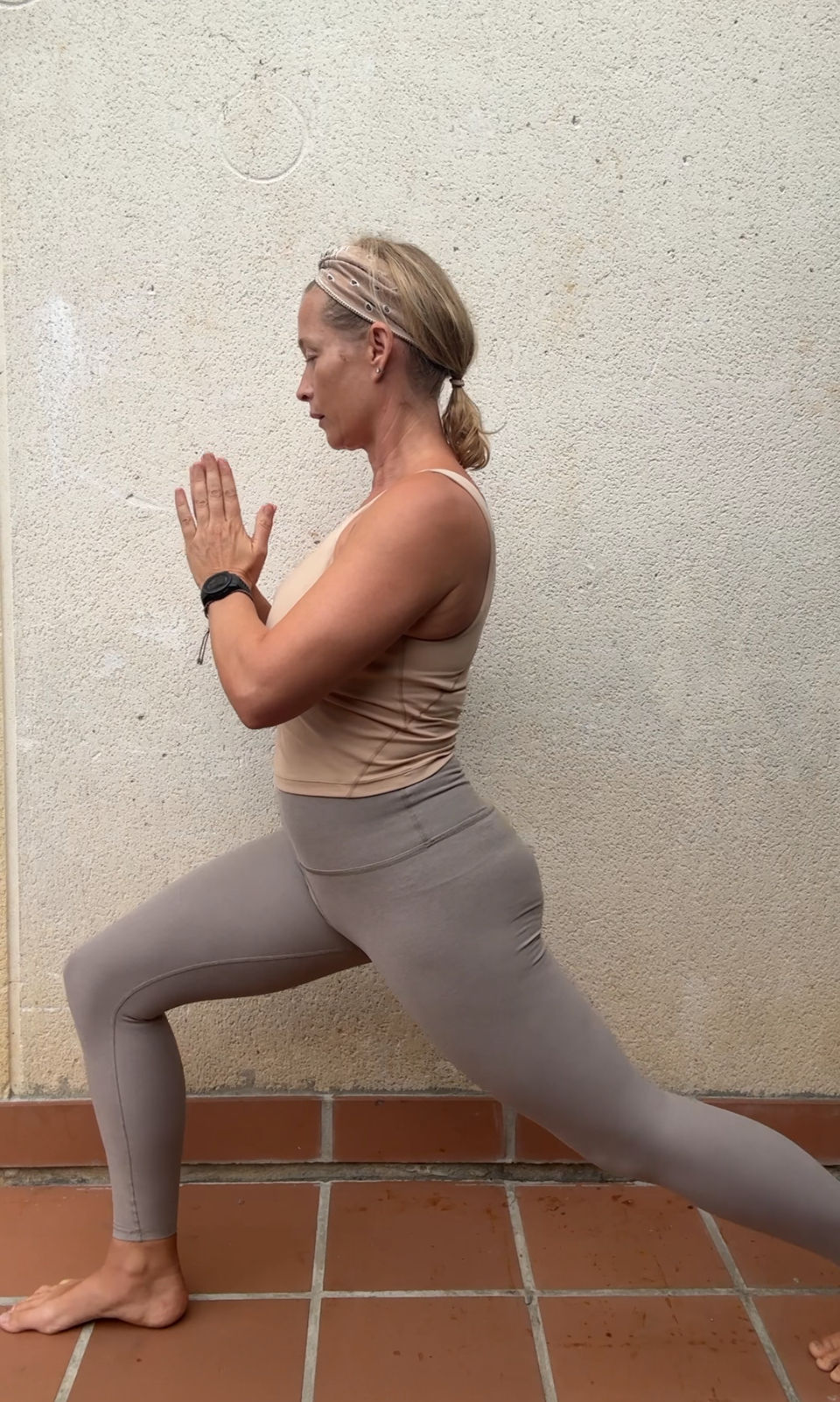
Training should feel good
If exercise leaves you anxious, sleepless, sore for days or simply flat, it’s not because you’re lazy or weak. It’s because your nervous system and your hormones are asking for something different.
During our 40s, the body we once knew begins to change. Hormones fluctuate, recovery slows, and the central nervous system (CNS) becomes more easily overstimulated. Yet the fitness industry still glorifies “push harder” and “lift heavier,” ignoring the quiet wisdom that whispers: enough.
This is the moment where perimenopause training comes in: to train for your body, not against it — and that begins with understanding what’s actually happening inside.
How Hormones Affect the Nervous System
Oestrogen and progesterone don’t just influence our reproductive cycle; they also shape how our brain and nervous system regulate stress.
Oestrogen acts as a buffer to cortisol, the main stress hormone. When oestrogen levels drop (as they do throughout perimenopause), cortisol can spike more easily, even from minor stressors.
Progesterone has a calming, anti-anxiety effect. It enhances GABA, the neurotransmitter that helps us unwind and sleep. When progesterone falls, our ability to relax after stress also declines.
The result? Our internal “stress thermostat” becomes hypersensitive.
What might once have been an energising workout now feels like overload. The same training session that boosted you last year might leave you wired, inflamed, or emotionally drained today.
Cortisol, Inflammation and Recovery
Cortisol isn’t the villain; we need it to mobilise energy and focus. The problem comes when cortisol stays high for too long. Chronic elevation — from emotional stress, poor sleep, under-eating, or relentless high-intensity training the opposite of Perimenopause training — disrupts the body’s ability to recover.
Muscle repair slows, leading to lingering soreness.
Inflammation rises, causing puffiness, stiffness, and low-grade fatigue.
Sleep quality drops, which further prevents recovery.
Blood sugar regulation weakens, intensifying cravings and mood swings.
In women navigating perimenopause, these effects compound. Less oestrogen and progesterone mean fewer natural anti-inflammatory and calming effects, so the body stays in a prolonged “fight-or-flight” mode.
The central nervous system, always scanning for danger, remains switched on. This state — known as sympathetic dominance — makes even moderate training feel like a threat rather than a challenge.
What Happens When the CNS Is Overloaded
The CNS governs muscle recruitment, coordination, and recovery. When it’s overwhelmed, signals misfire:
You feel shaky or uncoordinated.
You experience exaggerated soreness or fatigue.
You can’t “switch off” after workouts.
You crave caffeine or sugar just to function.
Over time, this chronic stress state can lead to under-recovery — the hidden opposite of overtraining. You might be exercising regularly but getting weaker, not stronger. The body is too busy surviving to adapt.
But What About Lifting Heavier?
We’re told everywhere that as women age, we must lift heavier — to preserve muscle, bone, and metabolism. And that’s absolutely true. But what’s rarely said is that as our hormones shift, our nervous system becomes more sensitive.
Heavier strength work is still essential, but how we approach it needs to change. When cortisol regulation and recovery are compromised, constantly pushing your limits can tip you into overdrive.
So instead of endless reps and marathon workouts, think:
Lower reps (6–10) with slower tempo for deeper muscle recruitment.
Longer rest periods (60–120 seconds) so your nervous system can reset between sets.
Shorter sessions — 30 to 45 minutes is often enough when the quality is high.
Cycle intensity across the month — heavier loads during higher-energy phases, lighter and slower when your system feels taxed.
Smart intervals — SIT (short interval intense) training done wisely: 30 seconds of effort, 90 seconds – 2 minutes of full recovery, 2–3 rounds max.
This approach still builds strength, power, and metabolic health — but without hijacking your stress response. It lets the nervous system integrate the benefits rather than fight against them.
That’s the real secret: train hard enough to grow, but soft enough to recover.
How to Train for Your Nervous System
This is where somatic strength training comes in: movement that respects both the physiological and the felt experience of the body. It’s not about doing less — it’s about doing wiser.
1. Change the Pace
Swap mindless repetition for mindful tempo. Slow, controlled movements increase time under tension, recruiting deep stabilising muscles while keeping heart rate and cortisol in check.
2. Cycle the Intensity
During high-energy phases (often the follicular and ovulatory windows), enjoy heavier lifting or short bursts of interval work. During the luteal or low-energy phases, switch to lower weights, body-weight flow, or mobility sessions. Your strength doesn’t disappear — it simply changes rhythm.
3. Prioritise Recovery
Rest isn’t the opposite of training; it’s where adaptation happens.
Add:
7–9 hours of consistent sleep
Protein-rich meals and electrolytes post-workout
Parasympathetic resets such as legs-up-the-wall, slow breathing, or gentle yoga nidra
4. Breathe Intentionally
Shallow breathing keeps the stress response on. Try this after training: Inhale 4 → hold 1 → exhale 6 → hold 1. Longer exhales activate the vagus nerve, signalling safety to your entire system.
5. Work With Feedback, Not Against It
Use wearable data (HRV, resting HR) as information, not judgment. But more importantly — feel. Notice how you sleep, digest, and recover. The best tracker you own is still your body.
Perimenopause training: When Strength Becomes Empowerment
These hormonal fluctuations aren’t a curse; they are an invitation to sovereignty. For perhaps the first time, your body refuses to tolerate what no longer serves it — the noise, the pushing, the comparison.
This is where true empowerment begins. Because this stage of life invites you to stop outsourcing authority and to trust your lived experience.
You don’t need another voice telling you to “go harder.”You need permission — your own permission — to tune in and say: This is what I need. This is what I don’t.
That clarity is strength.
Practical Framework: Somatic Strength in Action
Focus | What It Means | Practical Example |
Load | Choose weights that challenge without straining. | 3 sets of 8–10 reps at RPE 7 (not failure). |
Tempo | Slow down. Feel each phase of the movement. | 3 sec lower → 1 sec lift. |
Recovery | Honour rest intervals. | 60–120 seconds between sets. |
Breath | Coordinate breath and movement. | Exhale through effort; long exhale at end. |
Integration | End by shifting state. | 3 minutes breathwork or gentle stretch. |
This approach builds lean muscle, supports bone density, and balances the nervous system — the real foundation for sustainable strength.
The Science of Feeling Good
Modern research confirms what intuition has known for centuries: recovery-focused, mindful exercise reduces inflammatory markers (IL-6, CRP) and moderates cortisol output. Breath-led strength work improves vagal tone — a direct measure of parasympathetic health. In women, resistance training combined with conscious recovery enhances metabolic rate without the stress side-effects of chronic high-intensity routines.
So yes — we still lift. We still build muscle and power. But we do it within the rhythm of our own biology, not against it.
Your Body Is Your Teacher
Your body speaks a language of sensations — warmth, tension, fatigue, energy. When you slow down enough to listen, you’ll realise it’s constantly guiding you toward balance.
Some days you’ll crave the burn of heavy squats. Others, a slow side-to-side movement will feel like medicine. Both are valid. Both are strength.
This is somatic strength training: presence, breath, and muscle woven together — strength built from the inside out.
Final Words: The New Definition of Strong
Because strength that costs your well-being isn’t strength at all. It’s noise. Real strength is sustainable, rhythmic, and kind.
Train with awareness. Honour your body’s rhythm. Feed recovery as much as effort.
Your body is not the problem — it’s the map. Follow it. 🌙
With love,
Shaini


Comments